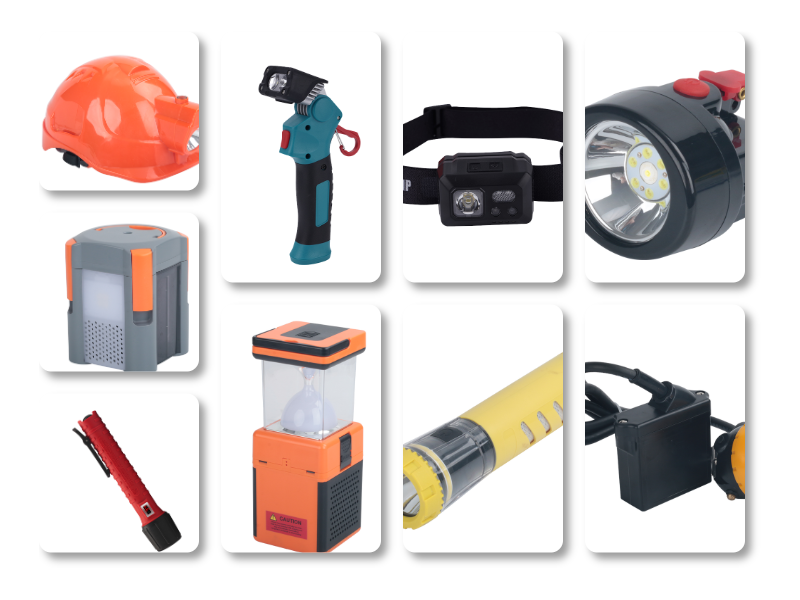
In recent years, the demand for tactical flashlights has surged in China, primarily driven by the growing need for public safety and defense. This surge has led to a significant increase in government tenders for these essential tools. This article delves into the intricacies of navigating the government tender landscape for tactical flashlights in China, highlighting key considerations for suppliers and buyers alike.
The government tender process in China is a complex and highly competitive arena. It involves various stages, from initial proposal submission to final contract award. Understanding these stages and the requirements is crucial for suppliers looking to secure contracts in this lucrative market.
**Understanding the Government Tender Process**
The first step in the process is to identify the relevant government department or agency that is issuing the tender. This could be a local municipal government, a provincial government, or even a national-level ministry. Each department has its own specific requirements and procedures for submitting tenders.
Once the relevant department is identified, the next step is to thoroughly review the tender document. This document contains all the necessary information, including the scope of the project, technical specifications, delivery timelines, and evaluation criteria. It is crucial to ensure that the proposed tactical flashlight meets all the specified requirements to avoid disqualification.
**Key Considerations for Suppliers**
1. **Quality Assurance**: The government tender process in China emphasizes quality. Suppliers must demonstrate that their products meet the highest standards of quality and reliability. This often requires certifications from recognized testing laboratories.
2. **Pricing Strategy**: Competitive pricing is a key factor in securing government contracts. Suppliers must carefully balance cost and quality to offer the most attractive proposition.
3. **Local Presence**: Having a local office or representative in China can significantly improve a supplier's chances of success. It allows for better understanding of the market and quicker response to inquiries and issues.
4. **Relationship Building**: Establishing strong relationships with government officials and procurement officers is essential. This can be achieved through networking events, participation in industry forums, and providing quality service and support.
**Considerations for Buyers**
For buyers, the process involves evaluating multiple proposals and selecting the best-suited supplier. Here are some key considerations:
1. **Technical Specifications**: It is vital to ensure that the selected tactical flashlight meets the required specifications in terms of brightness, runtime, durability, and other technical aspects.
2. **Cost-Benefit Analysis**: While cost is a significant factor, it should not be the sole criterion. Buyers should conduct a cost-benefit analysis to ensure they are getting the best value for their money.
3. **Supplier Reputation**: Researching the reputation of potential suppliers can provide valuable insights into their reliability, quality, and customer service.
4. **After-Sales Support**: Ensuring that the supplier offers robust after-sales support, including warranty, maintenance, and replacement services, is crucial for the long-term success of the project.
**Conclusion**
Navigating the government tender landscape for tactical flashlights in China requires careful planning, thorough research, and a strong understanding of the market dynamics. By focusing on quality, pricing, and relationship building, both suppliers and buyers can increase their chances of success in this competitive market.