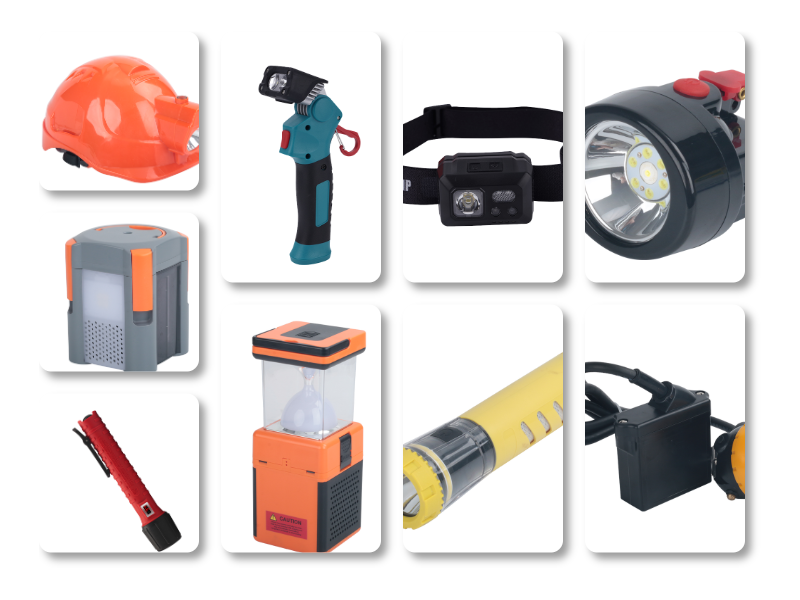
In the rapidly evolving landscape of technology and safety regulations, the demand for intrinsically safe tactical flashlights has surged, particularly in hazardous zones across China. This article delves into the significance of these flashlights, their applications, and the regulatory framework governing their use in hazardous environments.
**Understanding Intrinsically Safe Flashlights**
An intrinsically safe tactical flashlight is designed to minimize the risk of ignition in environments where flammable gases, vapors, or dust may be present. These flashlights are essential tools for professionals working in hazardous zones such as oil refineries, chemical plants, and mining operations. The key feature of an intrinsically safe flashlight is its ability to prevent sparks or heat that could trigger an explosion or fire.
**Applications in Hazardous Zones**
In China, hazardous zones are not limited to industrial settings. They also encompass areas prone to natural disasters like earthquakes, floods, and wildfires. In such scenarios, intrinsically safe tactical flashlights play a crucial role in search and rescue operations, emergency response, and disaster management.
1. **Oil and Gas Industry**: The oil and gas sector is one of the most critical areas where intrinsically safe flashlights are indispensable. They enable workers to navigate through potentially explosive environments safely, ensuring operational efficiency and personnel safety.
2. **Chemical Plants**: In chemical plants, where hazardous materials are stored and processed, the risk of ignition is high. Intrinsically safe flashlights provide a reliable source of light without compromising safety.
3. **Mining Operations**: Mines are often prone to gas leaks and dust explosions. These flashlights ensure that miners can work safely during emergencies or in low-light conditions.
4. **Disaster Response**: During natural disasters, intrinsically safe flashlights are vital for emergency personnel to locate survivors, assess damage, and carry out rescue operations.
**Regulatory Framework in China**
The use of intrinsically safe equipment in hazardous zones is governed by strict regulations in China. The National Electrical Code (NEC) and the General Safety Regulations for Hazardous Areas are some of the key regulatory frameworks that dictate the standards for intrinsically safe equipment.
1. **NEC**: The NEC provides guidelines for electrical installations in hazardous areas, including the use of intrinsically safe flashlights. It ensures that electrical equipment does not pose a risk of ignition.
2. **General Safety Regulations for Hazardous Areas**: These regulations outline the general safety requirements for hazardous areas, including the use of intrinsically safe equipment.
**Challenges and Solutions**
Despite the importance of intrinsically safe tactical flashlights, there are challenges in their adoption. One of the primary challenges is the cost, which is often higher than conventional flashlights. However, advancements in technology have led to the development of more affordable options.
Additionally, awareness and training regarding the proper use of these flashlights are crucial. Organizations must invest in training programs to ensure that their employees understand the importance of using intrinsically safe equipment in hazardous zones.
**Conclusion**
Intrinsically safe tactical flashlights are indispensable tools in hazardous zones across China. Their use is not only a matter of safety but also a legal requirement. As technology continues to advance, these flashlights will become even more efficient and cost-effective, making them an essential component of safety in hazardous environments.