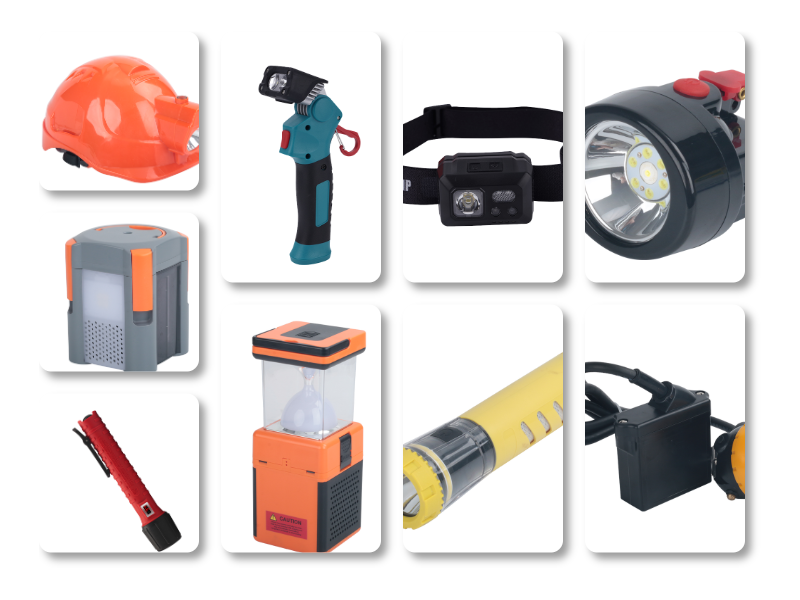
In the realm of mining safety, China has emerged as a global leader, integrating high-power tactical strategies to ensure the well-being of its workers. This article delves into the key aspects of China's approach to mining safety, highlighting the use of advanced technology and stringent regulations.
**Introduction**
Mining, while essential for economic growth, is inherently dangerous. China, with its vast reserves of coal and other minerals, has been at the forefront of mining activities. However, the industry has faced its fair share of challenges, including accidents and safety concerns. To address these issues, China has adopted a comprehensive approach, focusing on high-power tactical strategies to enhance mining safety.
**Advanced Technology**
One of the cornerstones of China's mining safety strategy is the integration of advanced technology. High-power tactical equipment, such as automated mining machines and remote-controlled systems, has been widely implemented. These technologies not only increase efficiency but also significantly reduce the risk of accidents. For instance, automated drilling and blasting systems minimize the exposure of miners to hazardous environments.
Moreover, China has invested heavily in the development of intelligent mining systems. These systems utilize advanced sensors, drones, and real-time monitoring to detect potential hazards and alert miners in real-time. This proactive approach has been instrumental in preventing accidents and ensuring the safety of miners.
**Stricter Regulations**
In addition to technology, China has implemented stringent regulations to govern mining safety. The government has established comprehensive codes of practice that outline the standards for equipment, procedures, and training. These regulations are designed to ensure that all mining operations adhere to the highest safety standards.
The Chinese government also conducts regular inspections and audits to ensure compliance with these regulations. Non-compliance can lead to severe penalties, including fines and even the closure of mining operations. This strict regulatory framework has been crucial in driving the industry towards safer practices.
**Training and Education**
Another vital aspect of China's mining safety strategy is the emphasis on training and education. Miners are required to undergo rigorous training programs to familiarize themselves with the latest safety protocols and emergency procedures. Additionally, continuous education ensures that miners stay updated with the latest technological advancements and industry best practices.
The government has also established specialized training centers to provide comprehensive training to miners. These centers offer practical training sessions, simulating real-life mining scenarios, and equipping miners with the skills needed to handle emergencies effectively.
**Challenges and Future Prospects**
Despite the significant progress made in mining safety, challenges remain. The rapid expansion of the mining industry has led to increased pressure on resources, which in turn, can compromise safety standards. Moreover, the aging workforce and the high demand for skilled labor present additional challenges.
Looking ahead, China is focused on further enhancing its mining safety strategies. This includes the continued development of advanced technology, the refinement of regulatory frameworks, and the expansion of training and education programs. By addressing these challenges, China aims to establish a mining industry that is not only productive but also safe and sustainable.
**Conclusion**
China's approach to mining safety, characterized by high-power tactical strategies, advanced technology, stringent regulations, and comprehensive training, has set a benchmark for the global mining industry. As the country continues to invest in these areas, the future of mining safety looks promising, ensuring the well-being of its workers and contributing to the nation's economic growth.