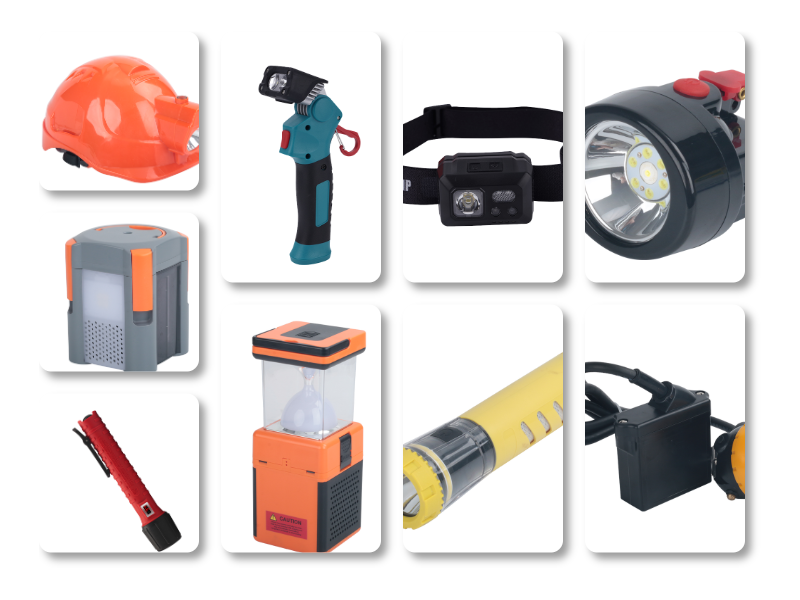
In the rapidly evolving landscape of industrial safety, hazardous area intrinsically safe tactical solutions have become a critical component for many industries. This article delves into the intricacies of intrinsically safe technology in China, exploring its applications, challenges, and the evolving strategies employed to ensure safety in potentially explosive environments.
**Introduction**
Hazardous areas are defined as environments where flammable gases, vapors, liquids, or combustible dusts are present in sufficient quantities to create an explosive mixture. These areas can be found in a variety of industries, including oil and gas, chemical processing, and mining. In such environments, the use of conventional electrical equipment can pose a significant risk of ignition, leading to catastrophic consequences. This is where intrinsically safe technology comes into play.
**Understanding Intrinsically Safe Technology**
Intrinsically safe technology is designed to prevent the release of sufficient energy to ignite an explosive atmosphere. This is achieved by limiting the energy available to the ignition source, such as electrical sparks or heat. In China, this technology is governed by strict regulations and standards to ensure the safety of workers and the public.
**Applications of Intrinsically Safe Tactical Solutions in China**
1. **Oil and Gas Industry**: The oil and gas sector is one of the most critical industries where intrinsically safe technology is employed. Drilling platforms, refineries, and storage facilities are all equipped with intrinsically safe equipment to prevent accidents.
2. **Chemical Processing**: Chemical plants are prone to hazardous environments due to the presence of flammable gases and liquids. Intrinsically safe solutions are used in process control systems, instrumentation, and lighting to maintain safety.
3. **Mining**: Mining operations, particularly those involving coal and metal extraction, require intrinsically safe technology to protect workers from the risks of explosions and fires.
**Challenges in Implementing Intrinsically Safe Solutions**
Despite the significant benefits of intrinsically safe technology, there are several challenges in its implementation:
1. **Cost**: The cost of intrinsically safe equipment can be higher than conventional alternatives, which can be a barrier for some businesses.
2. **Complexity**: Designing and installing intrinsically safe systems requires specialized knowledge and expertise, which can add complexity to the project.
3. **Regulatory Compliance**: Ensuring compliance with the ever-changing regulatory landscape can be a daunting task for companies operating in hazardous areas.
**Evolution of Intrinsically Safe Tactical Solutions in China**
To address these challenges, Chinese companies are focusing on several key areas:
1. **Research and Development**: Investing in research and development to create more affordable and efficient intrinsically safe solutions.
2. **Training and Certification**: Providing comprehensive training and certification programs for engineers and technicians to ensure they have the necessary skills to design and install intrinsically safe systems.
3. **Collaboration with International Partners**: Partnering with international experts to share knowledge and best practices in intrinsically safe technology.
**Conclusion**
Intrinsically safe tactical solutions are an essential part of ensuring safety in hazardous areas. In China, the focus on research, training, and collaboration with international partners is paving the way for more advanced and affordable solutions. As industries continue to evolve, the importance of intrinsically safe technology will only grow, making it a critical component of safety in potentially explosive environments.