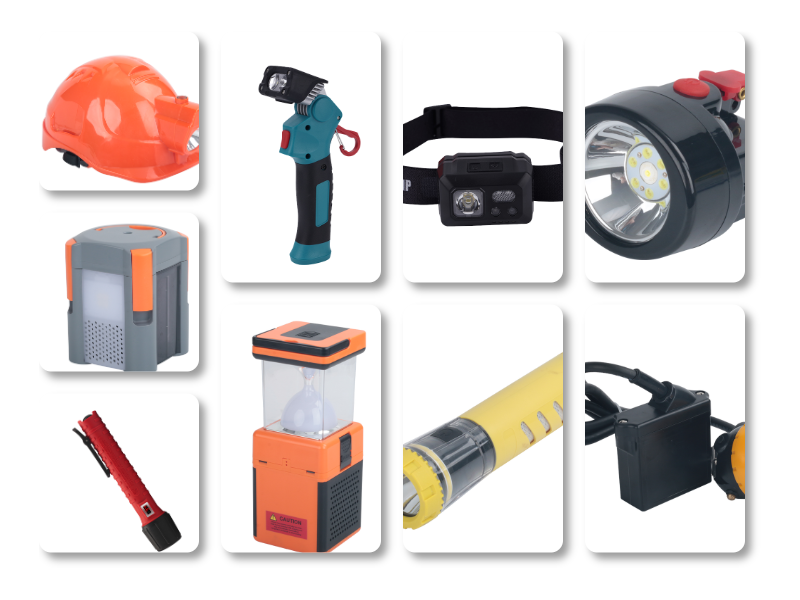
In industrial settings where flammable gases, vapors, dust, or fibers are present, the risk of explosion is a constant concern. Traditional lighting solutions may not meet the safety requirements of these hazardous environments, making explosion proof LED fixtures an essential component for ensuring both illumination and safety. These specialized lighting systems are designed to prevent the ignition of surrounding flammable materials, providing reliable and efficient lighting while minimizing the risk of accidents.
Explosion proof LED fixtures are engineered to contain any internal explosion within the fixture itself, preventing it from igniting the surrounding atmosphere. This is achieved through robust construction, including sealed enclosures, reinforced materials, and carefully designed components that can withstand high pressure and temperature. Unlike traditional lighting sources such as incandescent or fluorescent bulbs, LED technology offers several advantages in hazardous environments. LEDs generate significantly less heat, reducing the risk of thermal ignition. They also have a longer lifespan, which means fewer replacements and less maintenance in areas that are often difficult to access.
One of the key benefits of explosion proof LED fixtures is their energy efficiency. LEDs convert a higher percentage of electrical energy into light, rather than heat, resulting in lower energy consumption and reduced operating costs. This is particularly important in industrial facilities where lighting is required 24/7, as the savings can be substantial over time. Additionally, LED fixtures are highly durable and resistant to shock, vibration, and extreme temperatures, making them suitable for harsh environments such as oil refineries, chemical plants, mining operations, and pharmaceutical facilities.
The applications of explosion proof LED fixtures are diverse and span across various industries. In the oil and gas sector, these fixtures are used in refineries, offshore platforms, and storage facilities where flammable gases and vapors are present. They provide illumination for work areas, walkways, and equipment, ensuring that workers can perform their tasks safely. In chemical plants, explosion proof LED fixtures are essential for lighting production areas, storage tanks, and processing units, where the risk of chemical spills and explosions is high.
Mining operations also benefit from explosion proof LED fixtures, especially in underground mines where dust and methane gas can create explosive conditions. These fixtures are designed to withstand the harsh conditions of mining environments, including dust, moisture, and mechanical impact. They provide bright, uniform lighting that improves visibility and reduces the risk of accidents. In pharmaceutical and food processing facilities, explosion proof LED fixtures are used to maintain clean and safe environments, where the presence of flammable dust or vapors can pose a threat.
When selecting explosion proof LED fixtures, it is important to consider the specific requirements of the environment. Factors such as the type of hazardous material present, the classification of the area (e.g., Class I, Division 1 or 2), and the required level of illumination should be taken into account. Additionally, compliance with international standards such as ATEX, IECEx, and NEC is crucial to ensure that the fixtures meet the necessary safety regulations.
In conclusion, explosion proof LED fixtures play a vital role in ensuring safety and efficiency in hazardous environments. Their robust construction, energy efficiency, and long lifespan make them an ideal choice for industrial applications where traditional lighting solutions may fall short. By investing in high-quality explosion proof LED fixtures, businesses can not only reduce the risk of accidents but also lower operating costs and improve overall productivity. As technology continues to advance, these fixtures will likely become even more efficient and versatile, further enhancing their value in hazardous environments.