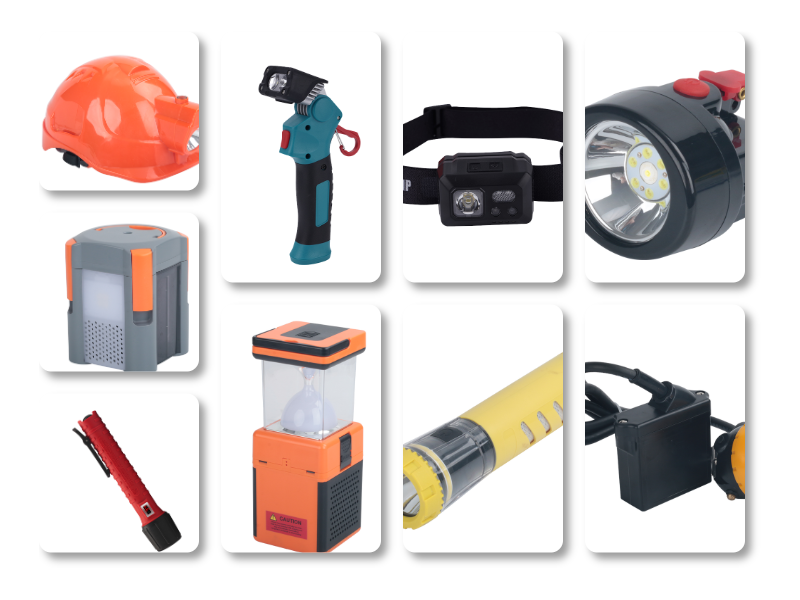
The International Electrotechnical Commission (IEC) plays a pivotal role in establishing international lighting standards that ensure safety, efficiency, and compatibility across the global lighting industry. As the world becomes increasingly interconnected, these standards serve as a common language for manufacturers, engineers, and regulators, fostering innovation while maintaining high-quality benchmarks.
IEC lighting standards cover a wide range of aspects, from the design and performance of lighting products to their environmental impact. One of the most significant areas is safety, where IEC standards define requirements for electrical insulation, fire resistance, and protection against electric shock. These standards are critical in preventing accidents and ensuring that lighting products can be used safely in various environments, from residential homes to industrial facilities.
Efficiency is another key focus of IEC lighting standards. With the growing emphasis on sustainability, the commission has developed guidelines for energy-efficient lighting solutions, such as LED technology. These standards help manufacturers optimize the performance of their products, reducing energy consumption and lowering carbon emissions. By setting clear efficiency targets, IEC standards drive innovation in the lighting industry, encouraging the development of more sustainable and cost-effective solutions.
Compatibility is also a crucial aspect of IEC lighting standards. In a global market, it is essential that lighting products from different manufacturers can work together seamlessly. IEC standards ensure that products meet common technical specifications, allowing for interoperability and reducing the risk of compatibility issues. This not only benefits consumers but also simplifies the process of designing and installing lighting systems in various applications.
The IEC's work in lighting standards is not limited to product specifications. The commission also addresses broader issues such as light quality, color rendering, and human-centric lighting. These standards take into account the impact of lighting on human health and well-being, ensuring that lighting solutions provide optimal visual comfort and support productivity. For example, IEC standards for color rendering index (CRI) help ensure that lighting accurately represents colors, which is essential in applications such as retail, healthcare, and art galleries.
In addition to setting standards, the IEC plays an active role in promoting their adoption and implementation. The commission works closely with national standards bodies, industry associations, and regulatory authorities to ensure that IEC standards are recognized and enforced globally. This collaborative approach helps create a level playing field for manufacturers and ensures that consumers have access to safe, efficient, and high-quality lighting products.
The development of IEC lighting standards is a dynamic process that evolves with technological advancements and changing market needs. As new technologies such as smart lighting and Internet of Things (IoT) integration emerge, the IEC updates its standards to address these innovations. This ensures that the standards remain relevant and continue to support the growth of the lighting industry.
In conclusion, international lighting standards from the IEC are essential for ensuring the safety, efficiency, and compatibility of lighting products worldwide. By providing a common framework for manufacturers, engineers, and regulators, these standards drive innovation, promote sustainability, and enhance the quality of lighting solutions. As the world continues to rely on lighting for various applications, the role of IEC standards in shaping the future of the lighting industry will only become more important.