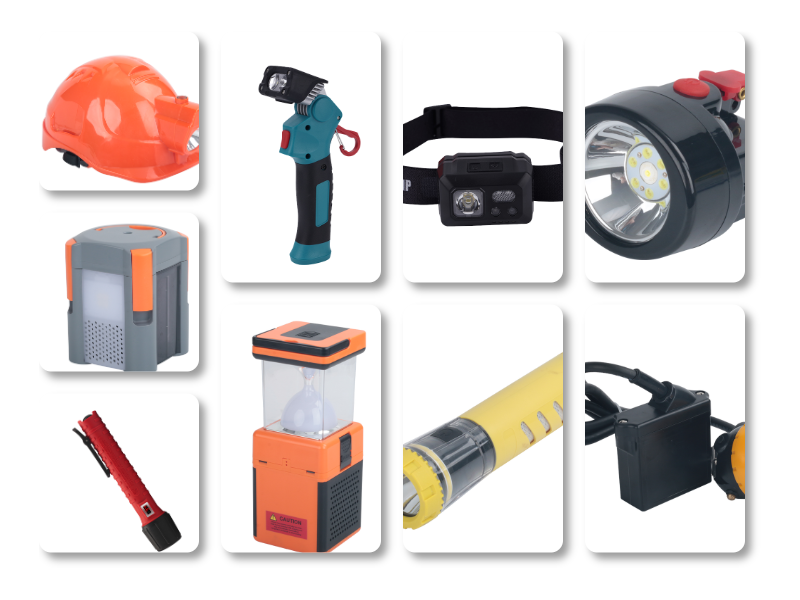
In today's global marketplace, CE certification has become a critical benchmark for lighting fixtures, ensuring they meet rigorous European safety and performance standards. For consumers, architects, and businesses alike, understanding the significance of CE certified lighting fixtures is essential when making purchasing decisions. This comprehensive guide explores the importance of CE certification, its implications for product quality, and how it benefits both manufacturers and end-users.
CE certification, short for Conformité Européenne, signifies that a product complies with the health, safety, and environmental protection standards established by the European Union. For lighting fixtures, this certification covers a wide range of requirements, including electrical safety, electromagnetic compatibility, and energy efficiency. By obtaining CE certification, manufacturers demonstrate their commitment to producing safe, reliable products that meet the highest industry standards.
One of the primary benefits of CE certified lighting fixtures is enhanced safety. These products undergo rigorous testing to ensure they meet strict electrical safety standards, reducing the risk of fire, electric shock, and other hazards. For example, CE certified fixtures are designed with proper insulation, grounding, and overcurrent protection, providing peace of mind to users. Additionally, they are tested for electromagnetic compatibility (EMC), ensuring they do not interfere with other electronic devices or emit harmful radiation.
Beyond safety, CE certification also guarantees product quality and performance. Certified lighting fixtures are subject to thorough testing for durability, light output, and energy efficiency. This means consumers can expect consistent performance, longer lifespan, and lower energy consumption compared to non-certified alternatives. For businesses, using CE certified lighting fixtures can lead to cost savings through reduced maintenance and energy bills, while also enhancing their reputation as providers of high-quality products.
The process of obtaining CE certification for lighting fixtures involves several steps. Manufacturers must conduct comprehensive testing to ensure compliance with relevant EU directives, such as the Low Voltage Directive (LVD) and the EMC Directive. They must also prepare a technical file containing detailed information about the product's design, manufacturing process, and test results. Additionally, manufacturers must affix the CE mark to their products, indicating compliance with all applicable standards.
For consumers, identifying CE certified lighting fixtures is straightforward. Look for the CE mark on the product or its packaging, along with a Declaration of Conformity. This document provides information about the product's compliance with specific EU directives and standards. When purchasing lighting fixtures, it is important to verify that the CE mark is genuine and that the product has been tested by a reputable third-party certification body.
In conclusion, CE certified lighting fixtures offer numerous benefits, including enhanced safety, improved quality, and compliance with international standards. Whether you are a homeowner looking to upgrade your lighting system or a business seeking reliable, energy-efficient solutions, choosing CE certified products is a smart investment. By understanding the importance of CE certification, you can make informed decisions and ensure that your lighting fixtures meet the highest standards of safety and performance.