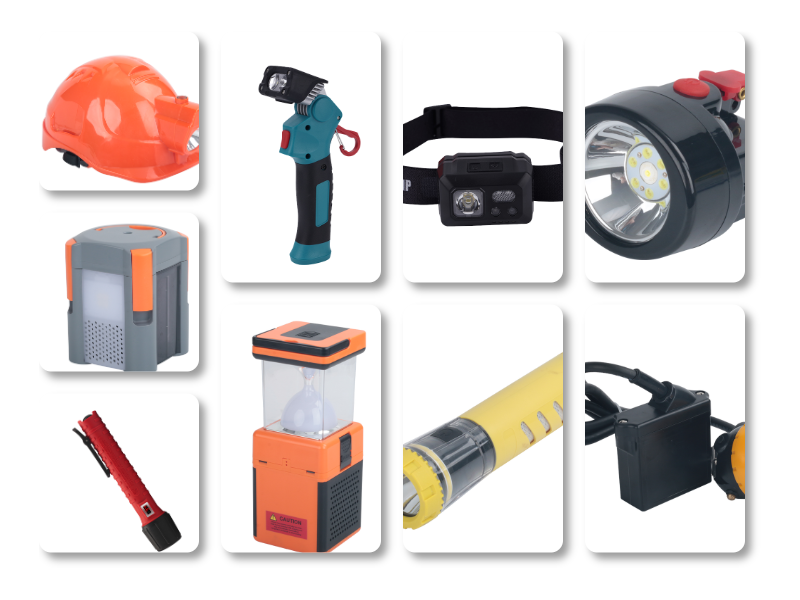
When selecting electronic devices or outdoor equipment, understanding waterproof ratings is crucial for ensuring optimal performance in various environments. Among the most common ratings used in the industry are IP65 and IP66, which indicate the level of protection against solids and liquids. While both offer high levels of water resistance, they differ in their specific capabilities and ideal applications.
The IP (Ingress Protection) rating system consists of two digits: the first indicates solid particle protection, and the second indicates liquid protection. Both IP65 and IP66 share the same first digit, '6', meaning they provide complete protection against dust ingress. This means no harmful dust can enter the enclosure, making them suitable for dusty environments like construction sites or industrial settings.
The key difference lies in the second digit, which denotes liquid protection. IP65 devices are protected against low-pressure water jets from any direction, such as from a garden hose. This level of protection is sufficient for devices exposed to rain, splashes, or light cleaning. IP66, on the other hand, offers protection against high-pressure water jets, like those from a powerful nozzle or heavy rain. This makes IP66 devices more suitable for applications where equipment may be subjected to intense water exposure.
Choosing between IP65 and IP66 depends on the specific environment and use case. For example, outdoor security cameras installed in areas with moderate rainfall would typically require IP65 protection. Similarly, outdoor lighting fixtures that may be exposed to occasional splashes or rain would benefit from IP65 ratings. On the other hand, equipment used in marine environments, such as boat navigation systems or offshore machinery, would require the higher IP66 rating to withstand heavy waves and intense water pressure.
It's important to note that neither IP65 nor IP66 ratings indicate protection against submersion. For devices that need to be submerged in water, higher ratings like IP67 or IP68 are required. Additionally, while these ratings provide a standardized measure of protection, actual performance may vary depending on the quality of the enclosure and manufacturing processes.
In conclusion, understanding the difference between IP65 and IP66 waterproof ratings is essential for selecting the right equipment for your needs. By considering the specific environment and potential water exposure, you can ensure that your devices remain functional and reliable, even in challenging conditions. Whether you're choosing outdoor electronics, industrial machinery, or marine equipment, the IP rating system provides a valuable guide to making informed decisions about water and dust protection.