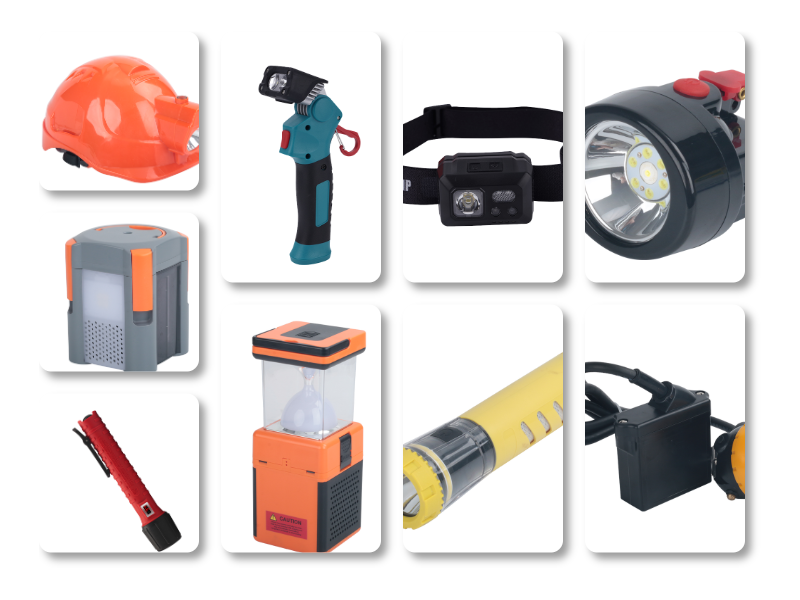
Aluminum housing heat dissipation plays a critical role in modern electronic device design, directly impacting performance, reliability, and longevity. As electronic components become smaller and more powerful, managing thermal energy has become a primary engineering challenge. Aluminum, with its excellent thermal conductivity, lightweight properties, and cost-effectiveness, has emerged as the material of choice for heat-dissipating enclosures across a wide range of applications.
The thermal properties of aluminum make it an ideal material for heat dissipation. With a thermal conductivity of approximately 205 W/m·K, aluminum efficiently transfers heat from internal components to the surrounding environment. This high conductivity allows heat to spread rapidly across the housing surface, preventing hotspots that can damage sensitive electronics. Unlike heavier metals like copper, aluminum offers a favorable strength-to-weight ratio, making it suitable for portable and lightweight devices where weight is a critical factor.
Design considerations are essential for maximizing aluminum housing heat dissipation. Engineers must carefully balance several factors, including surface area, geometry, and material thickness. Increasing the surface area through fins, ridges, or textured surfaces enhances heat transfer by providing more contact points with the surrounding air. The shape of the housing also influences airflow patterns; curved or contoured designs can guide air movement, improving natural convection. Additionally, the thickness of the aluminum affects heat transfer—thicker sections can store more heat, while thinner sections allow faster heat dissipation.
Manufacturing techniques further optimize aluminum housing performance. Extrusion processes create complex fin structures with high surface area-to-volume ratios, ideal for high-power applications. Die casting allows for intricate designs with tight tolerances, ensuring precise fit and thermal contact with internal components. Anodization, a surface treatment, not only improves corrosion resistance but also enhances emissivity, allowing the housing to radiate heat more effectively. These manufacturing methods enable engineers to tailor aluminum housings to specific thermal requirements.
Real-world applications demonstrate the effectiveness of aluminum housing heat dissipation. In LED lighting systems, aluminum heat sinks prevent overheating of LED chips, extending their lifespan and maintaining brightness. In power electronics, aluminum enclosures dissipate heat from high-voltage components, ensuring stable operation under heavy loads. Even in consumer electronics like laptops and smartphones, aluminum frames act as passive heat sinks, reducing the need for energy-consuming fans. These applications highlight how aluminum housing design directly impacts product performance and user experience.
Future trends in aluminum housing heat dissipation focus on integration and innovation. Advanced computational fluid dynamics (CFD) simulations allow engineers to model heat transfer and optimize designs before physical prototyping. Composite materials, combining aluminum with other high-conductivity materials, promise even better thermal performance. Additionally, smart thermal management systems, incorporating sensors and active cooling elements, will enable dynamic heat dissipation based on real-time operating conditions.
In conclusion, aluminum housing heat dissipation is a cornerstone of modern electronic design. By leveraging aluminum's thermal properties, thoughtful design principles, and advanced manufacturing techniques, engineers can create efficient, reliable, and cost-effective thermal solutions. As technology continues to advance, the role of aluminum in heat management will only grow, driving innovation in electronic device performance and sustainability.