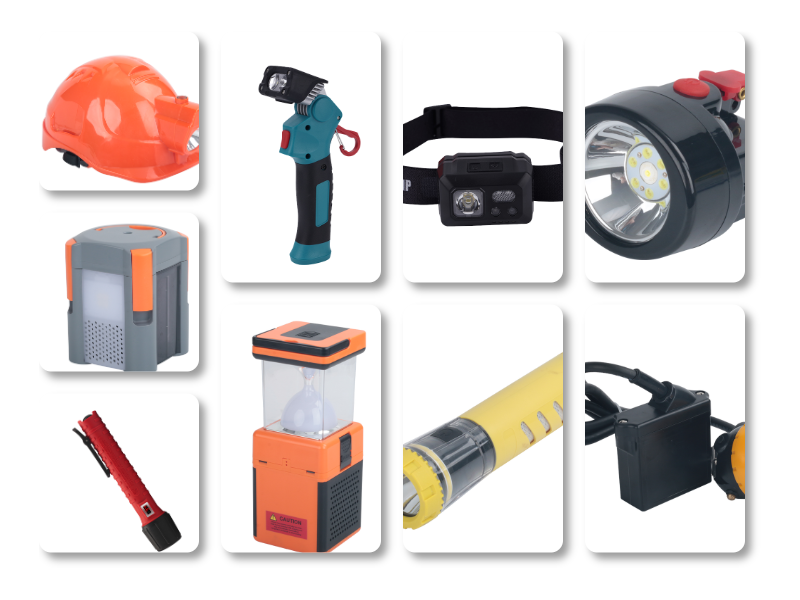
In today's competitive business landscape, finding ways to reduce operational costs while enhancing sustainability has become a top priority for many organizations. One often-overlooked opportunity lies in leveraging lighting tax incentives, which can significantly offset the costs of upgrading to energy-efficient lighting systems. This comprehensive guide will walk you through the key aspects of lighting tax incentives, helping you understand how to take advantage of these programs to benefit your business.
First, it's important to understand what lighting tax incentives are and how they work. These incentives are government-sponsored programs designed to encourage businesses to invest in energy-efficient lighting solutions. They typically take the form of tax credits, deductions, or rebates, which can cover a portion of the upfront costs associated with purchasing and installing energy-efficient lighting equipment. By reducing the financial burden of these upgrades, these incentives make it more feasible for businesses to adopt sustainable practices while also improving their bottom line.
One of the most well-known lighting tax incentives in the United States is the Energy Policy Act (EPAct) of 2005, which established tax deductions for energy-efficient commercial buildings. Under this act, businesses can claim a deduction of up to $1.80 per square foot for buildings that meet certain energy efficiency standards, including lighting systems. Additionally, the Inflation Reduction Act (IRA) of 2022 introduced new and expanded tax credits for energy-efficient upgrades, including lighting. These credits can be particularly beneficial for small and medium-sized businesses looking to make the switch to LED lighting or other energy-efficient technologies.
To qualify for these incentives, businesses must ensure that their lighting upgrades meet specific criteria. For example, LED lighting systems must meet certain efficacy standards, and the installation must be done by a qualified professional. It's also important to keep detailed records of the purchase and installation, as well as any energy savings achieved, to support your tax claims. Working with a knowledgeable tax professional or energy consultant can help ensure that you meet all the requirements and maximize your potential savings.
Another important aspect of lighting tax incentives is understanding the difference between tax credits and tax deductions. Tax credits directly reduce the amount of tax you owe, dollar for dollar, while tax deductions reduce your taxable income. For example, a $1,000 tax credit would reduce your tax liability by $1,000, whereas a $1,000 tax deduction would reduce your taxable income by $1,000, resulting in a smaller tax savings depending on your tax bracket. It's crucial to understand which type of incentive applies to your situation to make the most informed decision.
In addition to federal incentives, many states and local governments offer their own lighting tax incentives. These can include additional tax credits, rebates, or grants that complement federal programs. For example, some states offer rebates for businesses that install energy-efficient lighting, while others provide tax credits for renewable energy projects that include lighting upgrades. It's important to research the incentives available in your area to take full advantage of all possible savings.
When considering lighting upgrades, it's also important to evaluate the long-term benefits beyond the tax incentives. Energy-efficient lighting systems typically have a longer lifespan than traditional lighting, reducing maintenance and replacement costs. They also consume less energy, resulting in lower utility bills over time. These savings can add up significantly, making the initial investment in energy-efficient lighting a wise long-term decision for your business.
To get started with lighting tax incentives, the first step is to assess your current lighting system and identify areas where upgrades can be made. This may involve conducting an energy audit to determine your current energy usage and identify opportunities for improvement. Once you have a clear understanding of your needs, you can research the available incentives and determine which ones are applicable to your situation. Working with a qualified contractor or energy consultant can help ensure that your upgrades are done correctly and that you meet all the necessary requirements for the incentives.
In conclusion, lighting tax incentives offer a valuable opportunity for businesses to reduce costs, improve sustainability, and enhance their bottom line. By understanding the available programs, meeting the necessary criteria, and working with qualified professionals, businesses can take full advantage of these incentives to make the switch to energy-efficient lighting. Whether you're a small business owner or a large corporation, investing in energy-efficient lighting is a smart decision that can benefit both your business and the environment. So, take the time to explore the lighting tax incentives available to you and start reaping the rewards today.