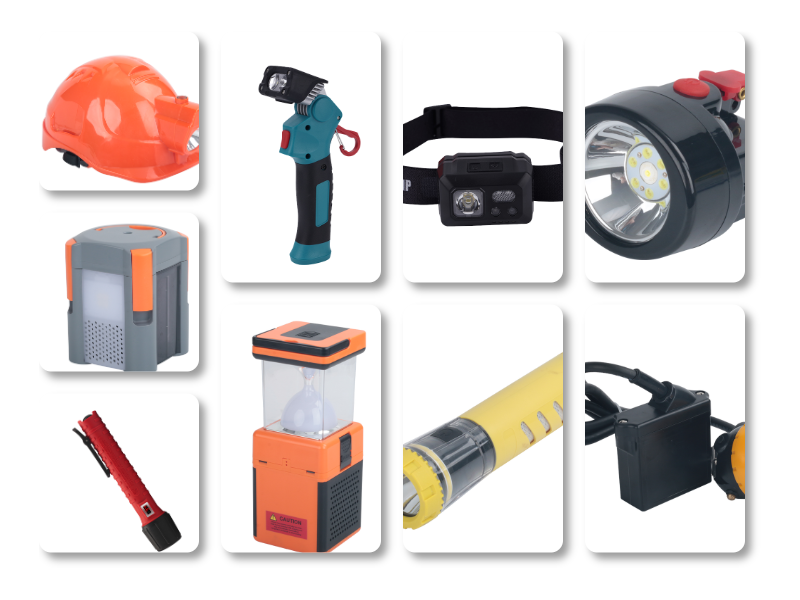
In an increasingly interconnected world, international lighting regulations have become a critical consideration for manufacturers, designers, and businesses operating across borders. These regulations, developed by various global and regional organizations, aim to ensure safety, energy efficiency, and environmental sustainability in lighting products and systems. Understanding and complying with these standards is essential for market access, consumer protection, and long-term business success.
The International Electrotechnical Commission (IEC) plays a central role in developing global lighting standards. IEC 60598, for example, establishes safety requirements for lamps and lamp holders, covering aspects such as electrical insulation, mechanical strength, and fire resistance. This standard is widely adopted by countries around the world, serving as a baseline for national regulations. Similarly, IEC 62471 addresses photobiological safety, setting limits on harmful radiation emissions from lighting products to protect human health.
In addition to global standards, regional regulations also shape the lighting industry. The European Union's CE marking system requires lighting products to meet specific safety, health, and environmental protection standards before they can be sold in the EU market. The Restriction of Hazardous Substances (RoHS) directive restricts the use of certain hazardous materials in electrical and electronic equipment, including lighting products. The Waste Electrical and Electronic Equipment (WEEE) directive, meanwhile, mandates the proper collection, recycling, and disposal of lighting waste to minimize environmental impact.
Energy efficiency is another key focus of international lighting regulations. The International Energy Agency (IEA) promotes energy-efficient lighting solutions as part of its efforts to reduce global energy consumption and greenhouse gas emissions. The Energy Star program, developed by the U.S. Environmental Protection Agency (EPA) and Department of Energy (DOE), sets energy efficiency standards for lighting products sold in the United States and other participating countries. These programs not only help reduce energy costs for consumers but also contribute to global sustainability goals.
For manufacturers, navigating international lighting regulations requires a proactive approach. This includes staying up-to-date with the latest standards and requirements, conducting thorough product testing and certification, and ensuring compliance throughout the supply chain. Many companies rely on third-party testing laboratories and certification bodies to verify compliance with international standards. Additionally, engaging with industry associations and regulatory bodies can provide valuable insights into upcoming changes and best practices.
Designers and architects also play a crucial role in ensuring compliance with international lighting regulations. They must consider factors such as light levels, color temperature, and glare control to create safe and comfortable lighting environments. In commercial and industrial settings, compliance with regulations such as the International Organization for Standardization (ISO) 8995 for lighting ergonomics is essential to protect the health and well-being of workers.
Consumers, too, benefit from international lighting regulations. By ensuring that lighting products meet safety and performance standards, these regulations help prevent accidents and ensure that consumers get value for their money. Energy-efficient lighting products, in particular, can lead to significant cost savings over time, while also reducing the environmental footprint of lighting use.
As the lighting industry continues to evolve, international regulations will play an increasingly important role in shaping its future. The transition to LED lighting, for example, has brought new challenges and opportunities in terms of regulation. LED products must meet specific performance standards, such as those set by the IEC and Energy Star, to ensure their quality and reliability. Additionally, the growing use of smart lighting systems has raised new questions about data privacy and security, which will likely lead to the development of new regulations in the coming years.
In conclusion, international lighting regulations are a complex but essential part of the global lighting industry. By ensuring safety, energy efficiency, and environmental sustainability, these regulations protect consumers, support businesses, and contribute to a more sustainable future. For manufacturers, designers, and businesses, staying informed about and complying with these regulations is not only a legal requirement but also a strategic advantage in an increasingly competitive global market. As the industry continues to innovate, it is important to remain proactive and adaptable to new regulatory developments, ensuring that lighting products and systems meet the highest standards of quality and performance. By working together, stakeholders can help create a safer, more efficient, and more sustainable lighting future for all.