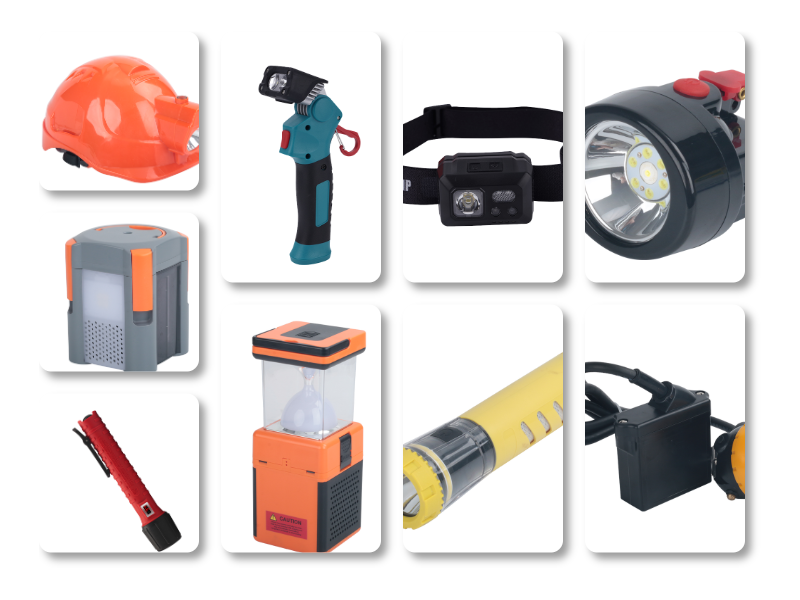
In an era where safety and preparedness are paramount, emergency lighting products have become an indispensable component of modern infrastructure. These specialized lighting solutions play a critical role in ensuring the safety of building occupants during power outages, fires, and other emergency situations. Understanding the importance, types, and applications of emergency lighting products is essential for anyone responsible for building safety or personal preparedness.
Emergency lighting products are designed to provide illumination when the primary power source fails, ensuring that evacuation routes remain visible and accessible. Unlike regular lighting systems, these products are self-contained, with built-in batteries that activate automatically during power interruptions. This seamless transition is crucial for preventing panic and facilitating orderly evacuations, especially in large commercial buildings, hospitals, schools, and residential complexes.
There are several types of emergency lighting products, each designed for specific applications. Exit signs, a common form of emergency lighting, clearly mark escape routes and exits, helping occupants navigate safely during low-visibility conditions. These signs are typically illuminated with LED technology, which offers energy efficiency and long-lasting performance. Another essential type is emergency exit lighting, which provides general illumination along evacuation paths, ensuring that stairwells, hallways, and doorways remain visible even in complete darkness.
The benefits of investing in high-quality emergency lighting products extend beyond compliance with safety regulations. These systems not only save lives but also reduce property damage by enabling emergency responders to navigate buildings more effectively. Moreover, they enhance the overall safety culture of an organization, demonstrating a commitment to protecting employees, customers, and visitors. For businesses, this can translate into reduced liability and improved public perception.
When selecting emergency lighting products, several factors should be considered. First, the products must meet local safety codes and standards, such as those set by the National Fire Protection Association (NFPA) in the United States. These standards specify requirements for illumination levels, battery life, and placement of emergency lighting devices. Additionally, the products should be durable and reliable, with long-lasting batteries and low maintenance requirements. LED technology is often preferred due to its energy efficiency, low heat output, and extended lifespan.
Installation and maintenance are also critical aspects of emergency lighting systems. Proper installation ensures that the products are strategically placed to maximize visibility and coverage. Regular testing and maintenance, including monthly functional tests and annual battery replacements, are necessary to ensure that the systems remain operational when needed. Many modern emergency lighting products come with self-testing features, which simplify maintenance and reduce the risk of system failure.
In conclusion, emergency lighting products are a vital investment in safety and preparedness. Whether in commercial, industrial, or residential settings, these systems provide a lifeline during emergencies, ensuring that occupants can evacuate safely and efficiently. By understanding the different types of emergency lighting products, their benefits, and the importance of proper installation and maintenance, individuals and organizations can make informed decisions to protect lives and property. As technology continues to advance, emergency lighting products will likely become even more efficient and reliable, further enhancing their role in emergency preparedness.