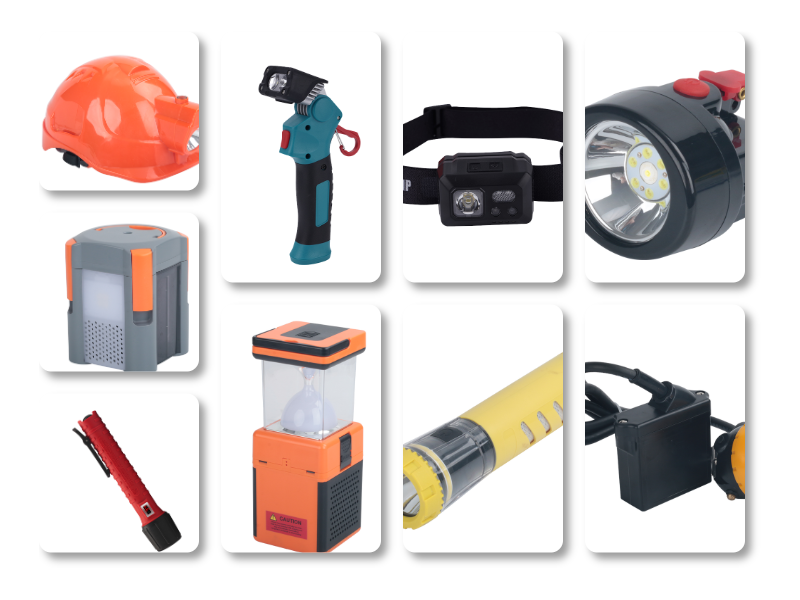
Photocell auto control, also known as light-dependent resistor (LDR) control, has emerged as a transformative technology in modern automation systems. This innovative approach leverages the sensitivity of photocells to ambient light levels, enabling devices to automatically adjust their operation based on natural or artificial lighting conditions. From streetlights and garden lamps to indoor lighting systems and security devices, photocell auto control is revolutionizing energy efficiency, convenience, and sustainability across various industries.
At its core, photocell auto control works by utilizing a light-sensitive sensor that detects changes in light intensity. When the ambient light falls below a predefined threshold, the photocell triggers a switch, activating connected devices such as lights, fans, or security cameras. Conversely, when the light level rises above the threshold, the system automatically deactivates these devices, conserving energy and reducing unnecessary usage. This simple yet effective mechanism eliminates the need for manual intervention, making it ideal for applications where consistent and responsive control is essential.
One of the most significant advantages of photocell auto control is its contribution to energy conservation. Traditional lighting systems often rely on manual switches or timers, which can lead to energy waste when lights are left on during daylight hours or in unoccupied spaces. Photocell auto control addresses this issue by ensuring that devices only operate when necessary, significantly reducing electricity consumption. For example, streetlights equipped with photocell sensors automatically turn on at dusk and off at dawn, eliminating the need for manual scheduling and reducing energy costs by up to 30% in some cases.
Beyond energy efficiency, photocell auto control enhances convenience and safety. In residential settings, outdoor lights with photocell sensors provide automatic illumination when darkness falls, improving visibility and security around homes. This is particularly beneficial for homeowners who may forget to turn on outdoor lights or are away from home for extended periods. Similarly, in commercial buildings, photocell-controlled lighting systems can adjust brightness levels based on natural light, creating a more comfortable and productive environment for occupants.
The versatility of photocell auto control extends to a wide range of applications. In agriculture, photocell sensors can be used to automate greenhouse lighting, ensuring optimal growth conditions for plants by adjusting light exposure based on natural sunlight. In the automotive industry, photocell-controlled headlights automatically switch between high and low beams based on ambient light, improving driver safety. Even in consumer electronics, devices such as smartphones and tablets use photocell sensors to adjust screen brightness, enhancing user experience and extending battery life.
Despite its many benefits, photocell auto control is not without challenges. One of the primary concerns is the accuracy and reliability of the sensors. Factors such as dirt, dust, and weather conditions can affect the performance of photocells, leading to false triggers or inconsistent operation. To address this, manufacturers are developing advanced sensors with improved durability and resistance to environmental factors. Additionally, integrating photocell auto control with smart home systems and IoT (Internet of Things) technology allows for remote monitoring and control, further enhancing the functionality and efficiency of these systems.
Looking ahead, the future of photocell auto control is promising. As the demand for energy-efficient and sustainable solutions continues to grow, photocell technology is expected to play an increasingly important role in smart cities, industrial automation, and residential applications. Advances in sensor technology, artificial intelligence, and machine learning will further improve the accuracy and responsiveness of photocell auto control systems, making them even more effective in optimizing energy usage and enhancing user convenience.
In conclusion, photocell auto control represents a significant advancement in automation technology, offering a cost-effective and sustainable solution for energy management and device control. Its ability to automatically adjust operations based on ambient light levels not only reduces energy waste but also improves safety and convenience in various settings. As technology continues to evolve, photocell auto control will undoubtedly remain a key component of smart systems, driving innovation and efficiency in the years to come.