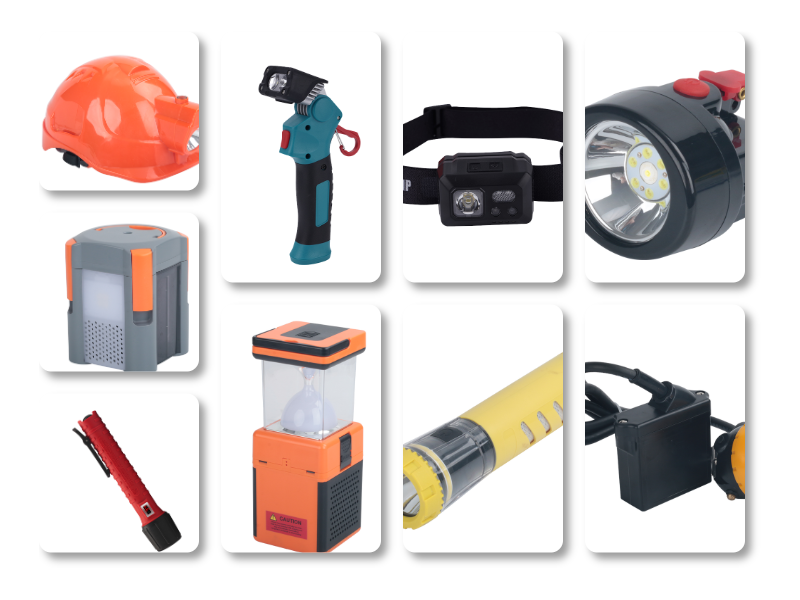
Emergency lighting products are critical safety components that provide illumination during power outages, fires, and other emergency situations. These systems are designed to guide people to safety, prevent panic, and ensure compliance with building codes and regulations. In this comprehensive guide, we will explore the different types of emergency lighting products, their key features, installation requirements, and best practices for maintenance.
Emergency lighting products can be categorized into two main types: emergency escape lighting and standby lighting. Emergency escape lighting is specifically designed to illuminate escape routes, such as stairwells, hallways, and exit doors, ensuring that occupants can safely evacuate a building. Standby lighting, on the other hand, provides temporary illumination for essential tasks, such as operating fire extinguishers, accessing emergency equipment, or navigating through critical areas during a power failure.
One of the most common emergency lighting products is the emergency exit sign. These signs are typically illuminated by LED lights and are designed to be visible from a distance, even in low-light conditions. They are usually mounted above exit doors or along escape routes and are required by building codes to be illuminated at all times, either by the main power supply or a backup battery system. Exit signs come in various designs, including single-sided, double-sided, and photoluminescent models, which glow in the dark without the need for a power source.
Another essential emergency lighting product is the emergency light fixture. These fixtures are installed in key locations throughout a building, such as stairwells, corridors, and open areas, to provide general illumination during an emergency. They are typically powered by a battery backup system that activates automatically when the main power supply is interrupted. Emergency light fixtures can be wall-mounted, ceiling-mounted, or recessed, depending on the specific needs of the building.
LED technology has revolutionized emergency lighting products, offering several advantages over traditional incandescent and fluorescent systems. LED emergency lights are more energy-efficient, have a longer lifespan, and provide brighter, more consistent illumination. They also generate less heat, reducing the risk of fire and making them safer to use in emergency situations. Many modern emergency lighting products also feature self-testing capabilities, which automatically check the battery and lighting components at regular intervals, ensuring that the system is always ready to perform when needed.
When selecting emergency lighting products, it is important to consider several factors, including the type of building, the size of the space, and the specific requirements of local building codes. For example, high-rise buildings may require more extensive emergency lighting systems than small office buildings, while hospitals and nursing homes may need specialized lighting for patient care areas. It is also important to choose products that are certified by reputable organizations, such as Underwriters Laboratories (UL) or the National Fire Protection Association (NFPA), to ensure that they meet safety and performance standards.
Installation of emergency lighting products should be carried out by qualified professionals who are familiar with local building codes and regulations. The installation process typically involves mounting the fixtures in the appropriate locations, connecting them to the main power supply and backup battery system, and testing the system to ensure that it functions correctly. Regular maintenance is also essential to keep emergency lighting products in good working order. This includes testing the battery backup system at least once a month, replacing batteries as needed, and cleaning the fixtures to ensure that they are free from dust and debris.
In conclusion, emergency lighting products are essential for ensuring the safety of building occupants during emergencies. By understanding the different types of products available, their key features, and the requirements for installation and maintenance, building owners and managers can ensure that their emergency lighting systems are effective, reliable, and compliant with all relevant regulations. Whether you are looking to install a new emergency lighting system or upgrade an existing one, it is important to work with a reputable supplier and qualified professionals to ensure that you get the right products for your needs.