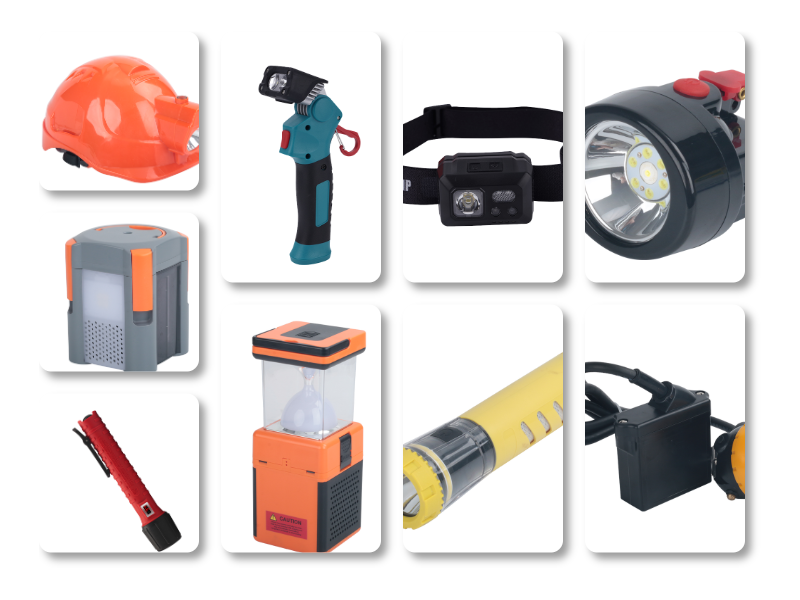
In an increasingly interconnected world, international lighting regulations play a crucial role in shaping the design, production, and implementation of lighting systems across borders. These regulations serve as a framework for ensuring safety, promoting energy efficiency, and minimizing environmental impact, while also facilitating global trade and technological innovation.
The evolution of international lighting regulations can be traced back to the early 20th century, when the first standards for electrical safety were established. Today, these regulations have expanded to cover a wide range of aspects, including product safety, performance metrics, energy efficiency, and environmental considerations. Organizations such as the International Electrotechnical Commission (IEC), the International Organization for Standardization (ISO), and the International Commission on Illumination (CIE) have been instrumental in developing and harmonizing these standards.
One of the primary objectives of international lighting regulations is to ensure the safety of lighting products and systems. This includes requirements for electrical safety, fire resistance, and mechanical stability. For example, IEC 60598, the international standard for luminaires, specifies safety requirements for electrical and mechanical construction, as well as performance criteria for light output and energy efficiency. Compliance with these standards is essential for manufacturers to enter global markets and for consumers to trust the products they use.
Energy efficiency has become a central focus of international lighting regulations in recent decades. With growing concerns about climate change and energy security, governments and international organizations have implemented strict standards to reduce energy consumption in the lighting sector. The Energy Performance of Buildings Directive (EPBD) in the European Union, for instance, sets minimum energy performance requirements for lighting systems in buildings, while the U.S. Department of Energy's Energy Star program certifies energy-efficient lighting products. These regulations not only help reduce greenhouse gas emissions but also lower energy costs for consumers and businesses.
Sustainability is another key area addressed by international lighting regulations. This includes considerations for the environmental impact of lighting products throughout their lifecycle, from raw material extraction to disposal. Regulations such as the Restriction of Hazardous Substances (RoHS) directive in the EU restrict the use of certain hazardous materials in electrical and electronic equipment, including lighting products. Additionally, the Waste Electrical and Electronic Equipment (WEEE) directive requires manufacturers to take responsibility for the collection and recycling of their products at the end of their useful life.
The harmonization of international lighting regulations presents both challenges and opportunities. On one hand, differences in regional standards can create barriers to trade and increase costs for manufacturers. On the other hand, harmonization can promote innovation, reduce regulatory complexity, and ensure a level playing field for businesses. Organizations like the IEC and ISO work to develop global standards that are adopted by countries around the world, helping to bridge these gaps.
In recent years, the rapid advancement of LED technology has presented new challenges for international lighting regulations. LED lighting offers significant energy savings and longer lifespans compared to traditional lighting technologies, but it also introduces new technical considerations, such as flicker, color rendering, and electromagnetic compatibility. As a result, regulatory bodies are continuously updating their standards to address these emerging issues and ensure the safe and effective use of LED lighting.
The future of international lighting regulations will likely be shaped by several key trends. The growing demand for smart lighting systems, which integrate with building automation and the Internet of Things (IoT), will require new standards for connectivity, data security, and interoperability. Additionally, the increasing focus on human-centric lighting, which considers the impact of light on health and well-being, will lead to the development of new metrics and guidelines for lighting design.
In conclusion, international lighting regulations are essential for ensuring the safety, efficiency, and sustainability of lighting systems worldwide. By harmonizing standards and addressing emerging technologies and challenges, these regulations play a vital role in promoting global trade, protecting the environment, and improving the quality of life for people around the world. As the lighting industry continues to evolve, it is crucial for regulatory bodies, manufacturers, and stakeholders to work together to develop and implement effective regulations that meet the needs of a changing world.