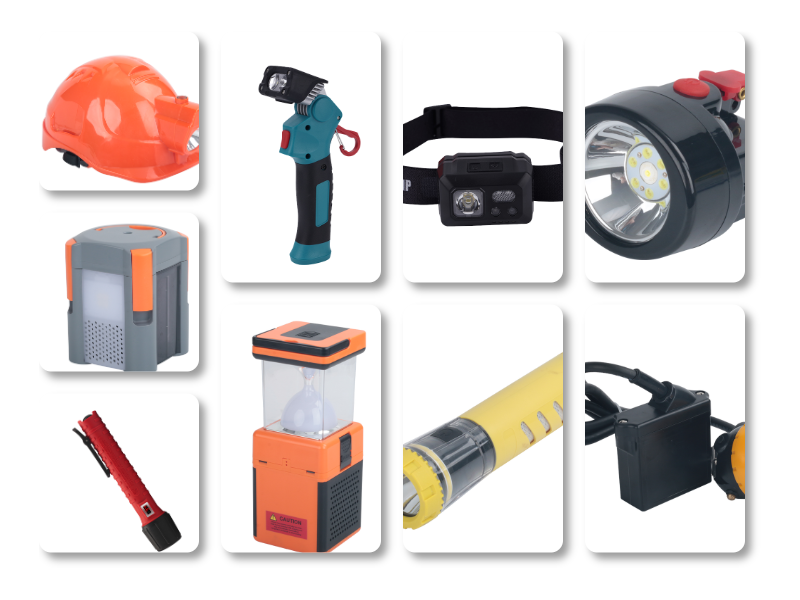
The USA lighting products market is a dynamic and evolving landscape shaped by technological advancements, consumer preferences, and regulatory changes. With a diverse range of lighting solutions available, from traditional incandescent bulbs to cutting-edge smart lighting systems, the market offers both challenges and opportunities for manufacturers, retailers, and consumers alike.
One of the most significant trends in the USA lighting market is the shift towards energy-efficient solutions. The phasing out of traditional incandescent bulbs in favor of LED technology has been driven by both government regulations and consumer demand for cost-effective, long-lasting lighting options. LED bulbs now dominate the market, offering up to 80% energy savings compared to traditional bulbs and lasting up to 25 times longer. This transition has not only reduced energy consumption but also created new opportunities for innovation in lighting design and functionality.
Smart lighting systems have emerged as another major trend in the USA market. These systems allow users to control lighting remotely via smartphones or voice assistants, offering convenience, energy savings, and customization. From color-changing bulbs to motion-sensor lights, smart lighting products are becoming increasingly popular in both residential and commercial settings. Companies like Philips Hue, LIFX, and GE Lighting have capitalized on this trend, offering a wide range of smart lighting solutions that integrate with popular home automation platforms.
The commercial sector represents a significant portion of the USA lighting market, with businesses increasingly investing in energy-efficient and smart lighting solutions. Retail stores, offices, and industrial facilities are adopting LED lighting and smart systems to reduce operational costs and improve the overall customer experience. For example, smart lighting can be programmed to adjust brightness based on natural light levels, reducing energy waste and creating a more comfortable environment for employees and customers.
Despite the growth opportunities, the USA lighting market also faces several challenges. One of the main challenges is the high initial cost of advanced lighting technologies, which can deter some consumers and businesses from adopting them. However, the long-term savings in energy costs often outweigh the upfront investment, making these products more attractive over time. Another challenge is the increasing competition in the market, with both domestic and international manufacturers vying for market share. This competition has led to price pressures and a focus on product differentiation through innovation and quality.
Regulatory factors also play a crucial role in shaping the USA lighting market. The Department of Energy (DOE) has implemented energy efficiency standards for lighting products, which have driven the adoption of LED and other energy-efficient technologies. These standards not only reduce energy consumption but also encourage manufacturers to develop more innovative and sustainable lighting solutions. Additionally, state and local governments may have their own regulations and incentives for energy-efficient lighting, further influencing market dynamics.
Looking ahead, the USA lighting market is expected to continue growing, driven by technological advancements and increasing awareness of energy conservation. The demand for smart lighting solutions is projected to rise, as consumers and businesses seek greater control and customization over their lighting environments. Additionally, the integration of lighting with other smart home and building systems, such as security and HVAC, will create new opportunities for cross-functional innovation.
In conclusion, the USA market for lighting products is a vibrant and competitive industry that is constantly evolving. From energy-efficient LED bulbs to smart lighting systems, the market offers a wide range of solutions to meet the diverse needs of consumers and businesses. While challenges such as high initial costs and regulatory compliance exist, the opportunities for growth and innovation are significant. As technology continues to advance and consumer preferences shift, the USA lighting market will remain a key player in the global lighting industry, driving progress towards a more sustainable and connected future.